Gas Line Inspection Basics
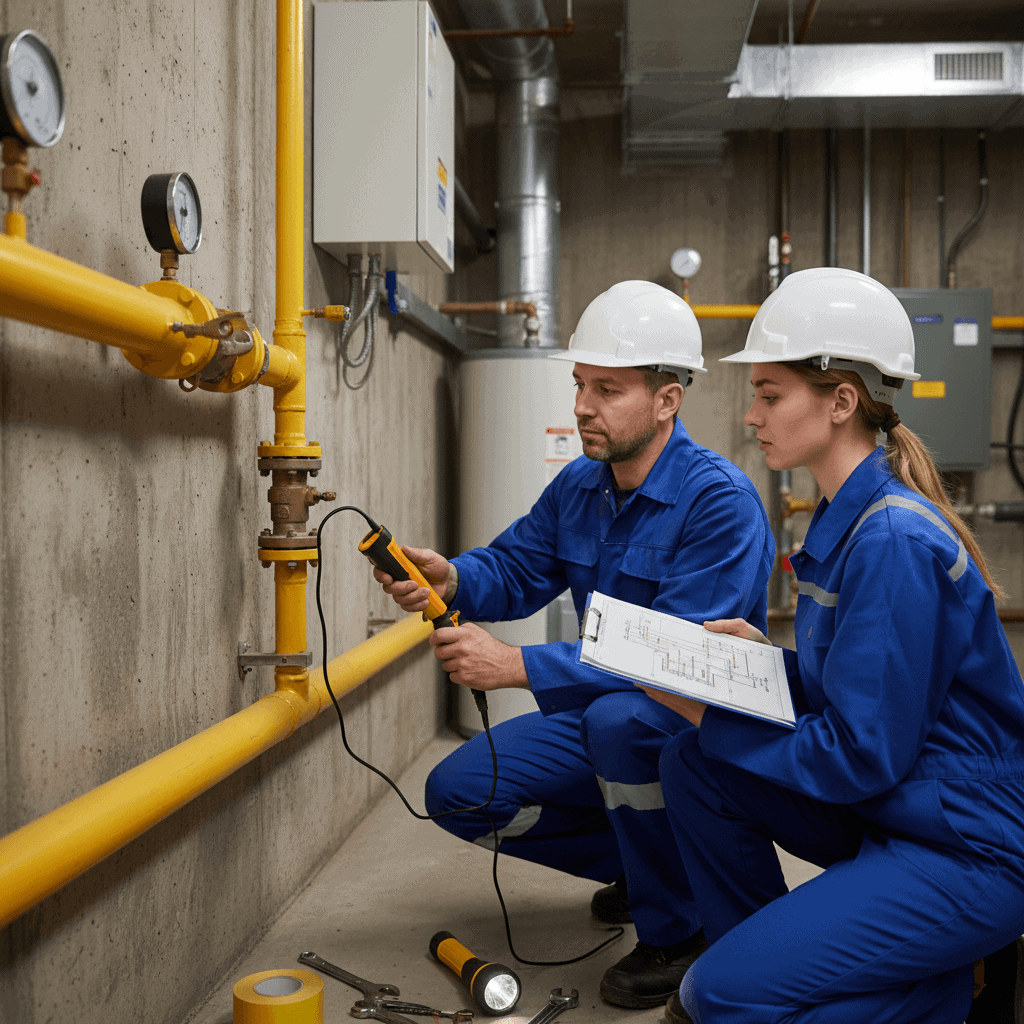
Knowing the basics of gas line inspection is crucial for anyone using natural gas or propane at home. A well-done inspection protects your household from danger, keeps your appliances running smoothly, and helps avoid expensive repairs later. Clear steps and handy tips show exactly what to watch for and when it’s time to bring in a pro. Readers who want to keep their homes safe and save money will find this info hard to pass up.
Whether you are a new homeowner or someone who wants to be more proactive about household systems, learning the fundamentals of gas line inspection helps you spot small problems before they become emergencies. Read on for signs to watch for, what an inspection involves, simple checks you can perform, and guidance on hiring a qualified technician.
Why learning gas line inspection basics matters
Gas lines deliver fuel for heating, cooking, and hot water. A compromised pipe or loose connection can lead to gas leaks that produce odors, create fire hazards, and, in some cases, cause explosions. Regular inspection reduces these risks by catching corrosion, damage, or improper joints early.
Beyond safety there are performance and cost reasons to pay attention. Leaks waste fuel and make appliances run less efficiently. Small repairs detected during routine checks are typically far less expensive than emergency interventions after a major failure. Finally, local codes and insurance policies often require documented inspections after certain work or before property transfers.
Common signs that a gas line needs attention
Knowing what to watch for helps you decide if a professional inspection is needed. Look for these clear indicators at your property.
- Smell of gas a rotten egg or sulfur scent is added to natural gas for leak detection.
- Hissing sounds especially near connections, meters, or valves.
- Dead vegetation a patch of lawn or plants that dies suddenly near a buried line.
- Rust or corrosion visible on exposed pipe sections or fittings.
- Flickering pilot lights or burners that do not stay lit.
- Higher utility bills unexplained increases can suggest a hidden leak.
How a standard gas line inspection is conducted
A thorough inspection follows a logical sequence so nothing is missed. Technicians rely on both visual checks and testing tools to evaluate the system.
Visual assessment and documentation
Inspectors walk the entire route from the meter to each appliance. They look for damaged or unsupported pipes, signs of impact, and poor fittings. Photos and notes provide a record for maintenance and for homeowners considering future changes.
Pressure testing and leak detection
Pros use pressure gauges and electronic detectors to confirm integrity. A pressure drop test identifies hidden leaks and pinpoints weak sections. Combustible gas detectors and soapy water tests help locate small leaks around joints and valves. If a leak is found the technician will recommend immediate action to stop the flow of gas and then repair or replace the damaged portion.
DIY checks you can safely perform
Homeowners can do a few basic checks to stay aware of system health. These tasks avoid handling gas fittings and focus on observation.
- Smell test walk around the outside meter and indoor appliance areas.
- Listen check near the meter and along exposed pipe runs for hissing.
- Look for obvious physical damage on exposed pipes and supports.
- Monitor appliances note unexpected behavior such as pilot lights that go out or weak burners.
- Check for dead plants near known buried lines.
Never attempt to tighten gas fittings or work on connections yourself. Small mistakes can cause leaks that are hard to detect. If you suspect a leak leave the area immediately and call your gas provider and a licensed technician.
When to call a professional and what to expect
If any sign points toward a possible leak or deterioration you should contact a licensed plumber or gas service right away. Professionals perform controlled tests and have the tools to make repairs safely. For homeowners planning upgrades such as new appliances or rerouting lines using the same technician for inspection and subsequent gas line repair and installation can streamline the process.
What the technician will do on site
The technician will shut off gas for testing when needed, examine accessible piping, and use detectors and pressure gauges. If repairs are required they will present options with estimates and a timeline. Licensed techs will also advise about permits and code compliance when work affects fixed piping.
Permits and documentation you should expect
Major repairs or new installations may require a permit and an inspection by your local authority. Ask the service provider to handle permit submission or to provide the documentation you need. Keep records of inspections and repairs for property transactions and warranty purposes.
Preventive maintenance actions that extend service life
Regular upkeep reduces the chance of unexpected problems. Follow a schedule and pay attention to the environment around your pipes.
- Annual inspection have a qualified technician check the system once a year or after any seismic event that could affect buried lines.
- Clear access keep vegetation trimmed and avoid piling soil or mulch over buried lines.
- Replace older materials if your pipes are decades old modern materials resist corrosion more effectively.
- Secure exposed piping prevent stress at joints by using proper supports.
- Label shutoff locations make sure everyone in the household knows where and how to shut off gas in an emergency.
These steps reduce wear on the system and make inspections faster and less costly.
Cost factors and planning for repairs
Repair costs vary with the type of pipe, accessibility, and whether a trench or wall opening is required. Simple joint repairs on exposed lines can be inexpensive while buried line replacement or rerouting through walls will cost more. Always get at least two estimates when facing a significant repair so you can compare scopes and warranties.
Some projects require temporary shutdown of gas and coordination with appliance service. Ask for a written estimate that lists parts labor and any permit fees. Discuss cleanup and restoration expectations if digging or drywall removal is necessary.
Common inspection mistakes to avoid
People often make the same errors when thinking about gas lines. Avoid these to protect yourself and your property.
- Waiting until a strong odor appears do routine checks instead of reacting only to obvious signs.
- Attempting repairs without a license gas connections and pressure testing require training and certification.
- Ignoring small irregularities like erratic appliance flame behavior these often precede larger failures.
- Not documenting work retain inspection reports and receipts for future reference and resale value.
Gas line inspection basics are practical and actionable for responsible homeowners. Regular checks preserve safety and can prevent repairs from becoming emergencies. If you are uncertain about any symptom or about the condition of buried lines contact a licensed professional for a formal assessment.
Conclusion
Understanding gas line inspection basics gives you a clear plan for monitoring system health and responding to issues quickly. Simple visual checks and awareness of signs like odors hissing sounds or dead vegetation keep you informed. For anything beyond observation call a trained technician who can perform pressure testing and make safe repairs. Keep a record of inspections and repairs and ask about permits when work changes fixed piping.
Take action now by scheduling a professional inspection if you have any doubt about the condition of your pipes. Regular preventive checks reduce risk and often save money by catching problems early. If you smell gas or suspect a leak leave the area immediately and contact your gas provider and a licensed service. Protect your household and your property by making gas line inspection part of your annual maintenance routine and follow through promptly on any recommendations the technician provides.